





Teamwork in Action: Building Leaders Through Camp
Teamwork in Action: Building Leaders Through Camp
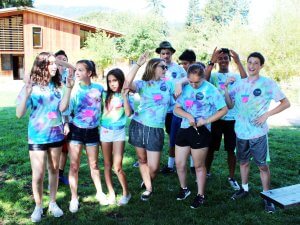
Every parent wants their child to grow into a confident leader but leadership doesn’t start with giving directions. It starts with learning how to work with others.
At camp, teamwork isn’t something we talk about, it’s something kids experience every single day.
Why Teamwork Matters
In today’s world, kids often operate in structured environments where outcomes are individual grades, scores, performance. But real life doesn’t work that way.
Leadership is built on:
- Communication
- Cooperation
- Empathy
- Problem-solving with others
Organizations like the American Camp Association emphasize that camp environments are uniquely effective in developing these skills because they place kids in shared experiences where success depends on the group—not the individual.
How Camp Naturally Builds Teamwork
At camp, teamwork isn’t forced, it happens organically through:
1. Group Challenges
Whether it’s building a shelter, completing a scavenger hunt, or solving a problem together, kids learn quickly that success comes from listening and contributing.
2. Cooperative Games
Unlike traditional competitive sports, many camp games are designed so that:
- Everyone has a role
- Winning requires collaboration
- Encouragement matters as much as skill
3. Shared Responsibilities
Simple things like cleaning up, organizing gear, helping younger campers all teach accountability and the idea that everyone contributes to the group’s success.
Earth Day Connection
Earth Day is a perfect example of teamwork in action.
Caring for the environment is not something one person can do alone, it requires collective effort. Camp mirrors this idea in a way kids understand:
- Working together to clean up spaces
- Respecting shared environments
- Learning that small actions add up when everyone participates
It’s a powerful, tangible lesson: we’re part of something bigger than ourselves.
The Leadership Outcome (Why It Matters Long-Term)
What’s interesting is that kids don’t walk away from camp saying, “I learned teamwork.”
Instead, they come home:
- More confident speaking up
- More aware of others’ perspectives
- More willing to step in and help
That’s leadership in its earliest and most important form.
Because real leadership isn’t about being in charge, it’s about being someone others can rely on.
Closing Thought
In a world that often emphasizes individual success, camp offers something different.
It teaches kids how to succeed together.
And in doing so, it quietly builds the kind of leaders the world actually needs.
Teamwork isn’t taught. It’s experienced. At camp, kids learn to lead by learning how to work together.